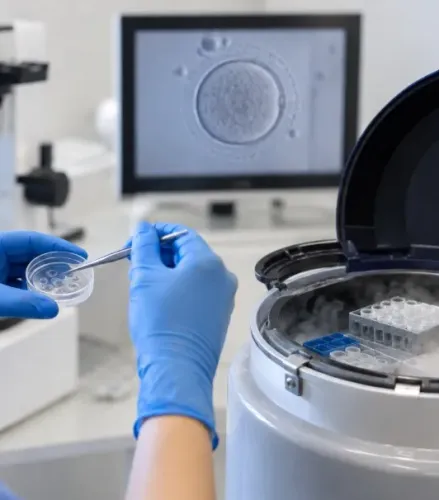
For couples considering IVF Treatment in Pune, one of the most common concerns is not knowing what actually happens during an IVF cycle. Although protocols vary between patients, understanding the main stages can make discussions with a fertility team easier and more productive.
IVF, or in vitro fertilisation, involves collecting eggs from the ovaries and combining them with sperm in a laboratory. An embryo may then be transferred into the uterus with the aim of achieving pregnancy.
Initial Fertility Assessment
Treatment usually begins with an evaluation of both partners where appropriate. Doctors may review menstrual history, previous pregnancies, fertility treatment, medical conditions and reproductive health.
Investigations can include ultrasound, hormone tests, ovarian reserve assessment and semen analysis. Additional testing is selected according to individual circumstances rather than following an identical checklist for every couple.
Ovarian Stimulation and Monitoring
During a typical IVF cycle, medications are used to stimulate the ovaries so that multiple follicles can develop.
Ultrasound examinations and sometimes blood tests are performed during this phase. Monitoring helps the fertility team assess follicular development and determine when the eggs may be ready for collection.
Medication type, dose and duration can differ considerably between patients.
Egg Retrieval and Fertilisation
When follicles reach an appropriate stage, an egg retrieval procedure is scheduled. Eggs are collected from the ovaries using a procedure generally performed with sedation or anaesthesia according to the clinical protocol.
The collected eggs are then handled in the laboratory. They may be combined with sperm using conventional IVF or another fertilisation technique when clinically indicated.
Embryo Development and Transfer
After fertilisation, developing embryos are observed in the laboratory. Depending on the treatment plan, an embryo may be transferred during the same treatment cycle or frozen for transfer later.
Not every collected egg becomes a viable embryo, and not every embryo transfer results in pregnancy. Outcomes vary according to several factors, including age, reproductive diagnosis, egg and sperm factors, embryo development and individual health circumstances.
What Happens After Embryo Transfer?
Patients receive instructions about prescribed medication and the timing of pregnancy testing. Testing too early can produce misleading results, so following the clinic's recommended schedule is important.
Deshmukh Maternity Hospital in Pune can guide patients through fertility assessment and treatment planning based on individual clinical findings.
For couples across Pune and Maharashtra exploring IVF, understanding the process before starting treatment can help them prepare for appointments, medication schedules, investigations and the emotional demands of a treatment cycle. IVF is not a single procedure but a sequence of carefully coordinated stages, and each patient's pathway may be different.
Keywords