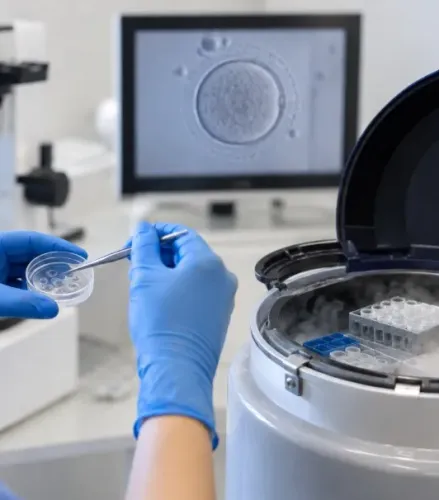
For many couples facing infertility, IVF treatment offers hope after months or even years of trying to conceive. Despite its growing success, many people remain uncertain about what the process actually involves. Understanding each stage helps reduce anxiety and prepares couples for the journey ahead.
Modern fertility clinics in Pune provide individualized IVF treatment plans based on age, medical history, and the underlying cause of infertility, ensuring patients receive care suited to their specific needs.
Step 1: Initial Fertility Assessment
The process begins with a detailed consultation.
Doctors evaluate:
- Female reproductive health
- Male fertility factors
- Previous medical history
- Lifestyle influences
- Hormonal health
Diagnostic tests help determine whether IVF is the most suitable treatment or if alternative fertility options should be explored first.
Step 2: Ovarian Stimulation
The woman receives fertility medications that encourage multiple eggs to mature during one menstrual cycle.
During this phase, doctors carefully monitor progress through:
- Ultrasound examinations
- Hormone blood tests
- Follicle growth measurements
Regular monitoring ensures medications are adjusted safely for the best possible response.
Step 3: Egg Retrieval
Once the eggs reach maturity, they are collected through a minimally invasive procedure performed under light sedation.
The procedure generally:
- Takes around 20–30 minutes
- Does not require major surgery
- Allows patients to return home the same day
Meanwhile, a semen sample is collected from the male partner for fertilization.
Step 4: Fertilization in the Laboratory
The collected eggs and sperm are combined under carefully controlled laboratory conditions.
Depending on the couple's fertility diagnosis, specialists may use:
- Conventional IVF
- Intracytoplasmic Sperm Injection (ICSI)
Embryologists closely observe embryo development over several days before selecting the healthiest embryo for transfer.
Step 5: Embryo Transfer
Embryo transfer is a simple outpatient procedure.
The selected embryo is gently placed into the uterus using a thin catheter.
The procedure is generally painless and usually requires no anesthesia.
Patients can resume most normal daily activities shortly afterward while following their doctor's recommendations.
Step 6: Pregnancy Testing
Around two weeks after embryo transfer, a blood test confirms whether implantation has occurred.
If successful, routine pregnancy monitoring begins.
If pregnancy does not occur, the fertility team reviews the cycle and discusses future treatment options based on the individual response.
Factors That Influence IVF Success
Several variables affect treatment outcomes:
- Woman's age
- Egg quality
- Sperm health
- Embryo quality
- Uterine health
- Lifestyle habits
- Underlying fertility conditions
Success rates vary from couple to couple, making personalized treatment essential.
Finding Comprehensive Fertility Care
When choosing an IVF hospital in Pune, patients often look for experienced fertility specialists, advanced embryology laboratories, transparent communication, and comprehensive women's healthcare services.
Deshmukh Maternity Hospital provides fertility evaluation and reproductive care while supporting patients with individualized treatment planning throughout their parenthood journey.
Understanding the IVF process helps couples approach treatment with realistic expectations and greater confidence, making informed decisions every step of the way.
Keywords