Irregular periods, pelvic pain, previous pregnancy complications, and certain medical treatments can signal a fertility problem before you have reached the usual waiting period. You will be able to match these warning signs to the right evaluation timeline, understand which tests assess each partner, and prepare useful records for a consultation.
Key takeaways
- Seek evaluation early for irregular ovulation, known reproductive risks, or age 40 and older.
- Ask about PCOS, ovarian reserve, tubal health, fibroids, pelvic pain, and recurrent miscarriage.
- Include semen analysis in the initial evaluation rather than testing only the female partner.
- Bring cycle records, medical reports, medication details, and prior pregnancy information.
Which fertility warning signs require evaluation before the usual waiting period?
Do not wait the usual 6 or 12 months if ovulation is clearly abnormal, you have a known reproductive risk, or you are 40 or older. Early fertility evaluation can identify treatable fertility problems before time is lost.
| Situation | When evaluation should begin | Why it matters |
|---|---|---|
| Regular unprotected intercourse, under 35 | After 12 months | This is the usual threshold when no warning sign exists. |
| Age 35–39 | After 6 months | Fertility declines with age, so assessment starts sooner. |
| Age 40 or older | Without delay | Age is the strongest single predictor of fecundity and live birth. |
| Absent periods for three months, or cycles under 21 or over 35 days | Without delay | Irregular or absent ovulation can result from PCOS, thyroid disease, high prolactin, hypothalamic dysfunction, diminished ovarian reserve, or premature ovarian insufficiency. |
| Previous cancer treatment, pelvic surgery, ectopic pregnancy, pelvic infection, or a known reproductive condition | Without delay | Treatment or disease can affect ovarian function, the uterus, or fallopian tubes. |
| Two or more clinical pregnancy losses | After the second loss | Recurrent pregnancy loss needs targeted assessment rather than the standard infertility timeline. |
Ask when to see a fertility specialist if severe period pain, pain during sex, or androgen-related symptoms accompany irregular cycles; these findings can point to endometriosis or ovulatory disorders. Both partners need assessment from the outset, including reproductive history and semen analysis.
Anti-Müllerian hormone, antral follicle count, and basal FSH help estimate response to stimulation, but a reassuring result does not justify delaying care.
How do irregular ovulation, PCOS, and ovarian-reserve problems affect urgency?
Irregular ovulation warrants evaluation without waiting six or 12 months, especially if periods stop for three months or cycles are consistently shorter than 21 days or longer than 35 days. Polycystic ovary syndrome is a common cause, but thyroid disease, high prolactin, low energy availability, and other hormonal disorders can also disrupt egg release.
PCOS does not mean that pregnancy is impossible. It often causes infrequent ovulation, so treatment focuses on confirming ovulation and addressing the specific hormonal or metabolic pattern. Do not assume that irregular bleeding proves ovulation; bleeding can occur without an egg being released.
Diminished ovarian reserve means fewer remaining eggs than expected for age. It can occur with regular periods, and it justifies prompt discussion because the time available for treatment may be limited. Premature ovarian insufficiency (POI) means reduced ovarian function before age 40; missed periods, hot flushes, or infertility require medical assessment rather than watchful waiting.
Ovarian-reserve tests answer a narrower question than many people expect:
- Anti-Müllerian hormone, antral follicle count, and basal FSH help estimate how many eggs the ovaries may yield during stimulation.
- They do not reliably predict natural conception, egg quality, or whether pregnancy is impossible.
- A low result is not a diagnosis of sterility, while a reassuring result must not delay evaluation based on age or symptoms.
- Interpret results with age, menstrual history, previous treatment, and ultrasound findings; age remains the strongest single predictor of fecundity and live birth.
When do pelvic pain, tubal damage, fibroids, or miscarriages need targeted assessment?
Severe period pain, deep pain during sex, or persistent pelvic pain warrants targeted assessment rather than waiting through a full year of trying. Endometriosis can affect endometriosis and fertility even when menstrual pain is mild, so symptoms deserve evaluation alongside the pregnancy history.
Seek assessment promptly if you have:
- A history of pelvic inflammatory disease, gonorrhea, chlamydia, severe pelvic infection, or pelvic surgery, which can cause fallopian tube damage and blocked fallopian tubes.
- A previous ectopic pregnancy, which can indicate tubal disease. After a positive test, contact a clinician promptly for possible serial human chorionic gonadotropin (hCG) testing and early ultrasound.
- Heavy bleeding, pressure, pain, or an ultrasound finding suggesting uterine fibroids and polyps. Transvaginal ultrasound, saline-infusion sonography, or hysteroscopy can identify growths that distort the uterine cavity.
- Two or more failed clinical pregnancies. Recurrent pregnancy loss needs its own assessment, even if you can conceive.
- Known endometriosis or pain that persists despite treatment.
For suspected tubal disease, clinicians may use hysterosalpingography, which passes contrast through the uterus and tubes, or a contrast sonographic test. Diagnostic laparoscopy is not a routine first test for everyone.
After repeated miscarriages, evaluation can include uterine anatomy, antiphospholipid syndrome testing, and selected genetic testing; broad panels without an established indication rarely clarify the cause.
Why must fertility evaluation include male-factor infertility from the start?
About half of infertile couples have male-factor infertility as the sole or contributing cause, so both partners need assessment from the start. Waiting to investigate the male partner can delay treatment while assuming the problem is female-factor infertility.
A semen analysis is the central initial test. It measures sperm count, motility, and morphology, but one sample does not always represent sperm production accurately. Tell the clinician about:
- Testosterone and anabolic steroids, which can suppress sperm production even when sexual function seems normal
- Chemotherapy, long-term opioid use, or other regular medicines
- Testicular injury, hernia repair, scrotal surgery, or previous vasectomy
- Fever or serious illness in the past three months
- Diabetes, thyroid disease, obesity, or significant underweight
- Smoking, cannabis, heavy alcohol use, workplace chemicals, or frequent heat exposure
Do not stop prescribed medicines without medical advice. A markedly abnormal result, or abnormalities in several semen measurements, usually leads to a repeat semen analysis and a focused examination. Persistent problems can point to a varicocele, hormone disorder, infection, blockage, or medication effect—several of which are treatable.
The evaluation does not automatically require every hormone, immune, or genetic test; the findings and medical history determine what comes next.
What happens in an early fertility evaluation, and what should you bring?
An initial fertility evaluation begins with both partners, not with a long panel of tests. The clinician reviews menstrual timing, absent or irregular periods, previous pregnancies, miscarriages, ectopic pregnancy, pelvic infections, operations, medical conditions, medicines, and fertility treatments.
- Bring your cycle dates, pregnancy and treatment records, and a list of medicines and supplements. Include prior ultrasound reports, operative notes, discharge summaries, pathology results, and laboratory reports.
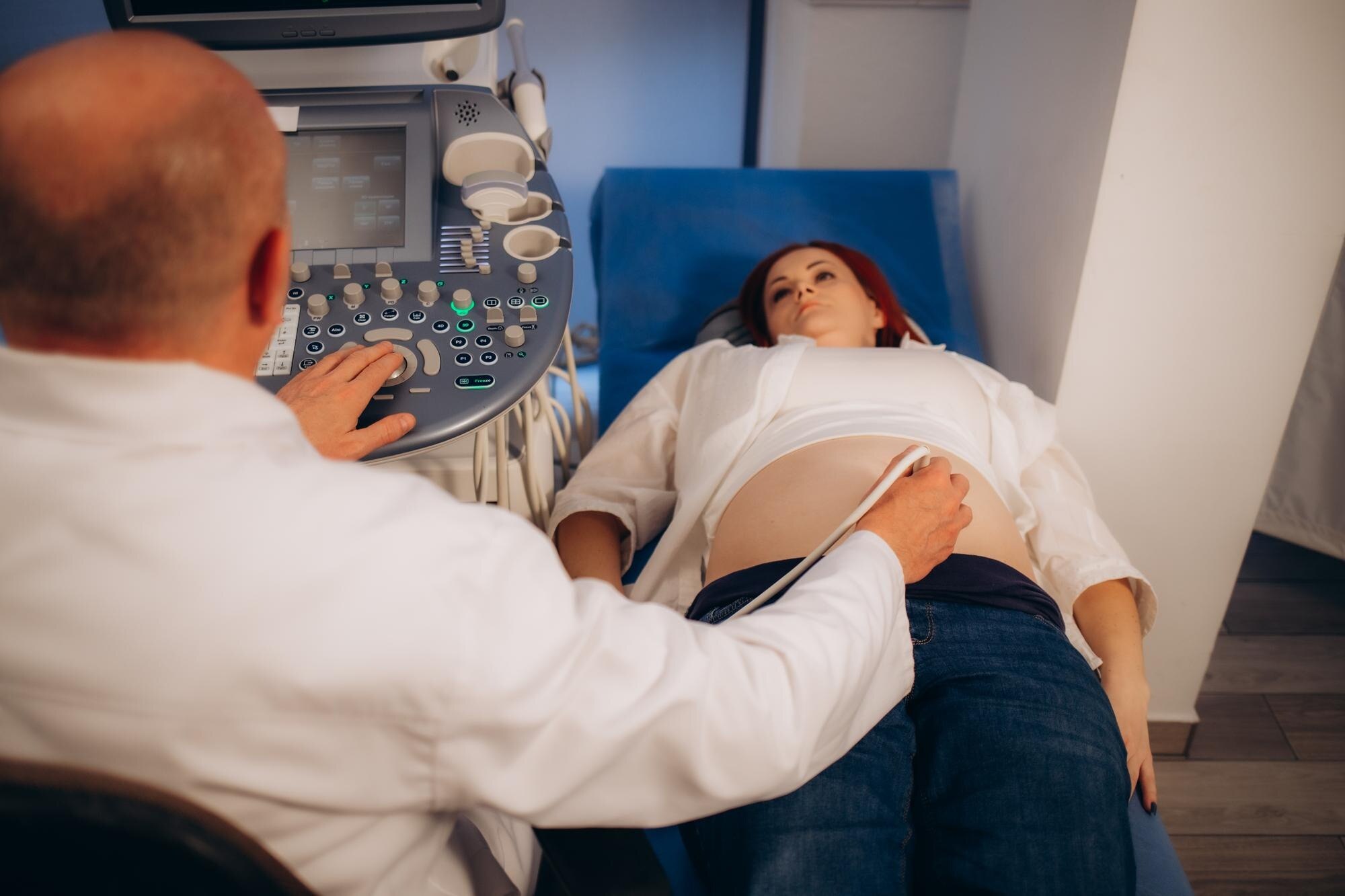
- Expect a physical examination and pelvic ultrasound. The scan can assess the uterus, ovaries, antral follicles, fibroids, cysts, and signs that require further investigation.
- Ovulation assessment uses cycle history and, when needed, hormone testing or a mid-luteal progesterone measurement. Selected blood tests can include thyroid-stimulating hormone and prolactin; ovarian-reserve tests are interpreted with age and the rest of the findings, not as a verdict on pregnancy.
- Ask whether tubal testing is appropriate. Hysterosalpingography uses contrast and X-rays to assess whether the fallopian tubes are open and whether the uterine cavity looks abnormal; a contrast ultrasound is another option.
- The male partner usually provides a semen analysis measuring concentration, motility, and morphology. If the result is abnormal, repeat testing is useful because samples vary; persistent abnormalities need targeted examination rather than automatic advanced tests.
Deshmukh Maternity Hospital can help organise gynecological and fertility records into a focused evaluation, so each test answers a clinical question rather than adding cost without direction.
Frequently asked questions
Which fertility warning signs require evaluation before the usual waiting period?
Seek evaluation before waiting 6 or 12 months if ovulation is clearly abnormal, you have a known reproductive risk, or you are 40 or older.
How do irregular ovulation and PCOS affect fertility evaluation?
Irregular or absent ovulation reduces opportunities to conceive. PCOS can disrupt ovulation, so evaluation can identify the pattern and guide treatment sooner.
When do pelvic pain, tubal damage, fibroids, or miscarriages need targeted assessment?
Request targeted assessment when you have persistent pelvic pain, known tubal damage, suspected fibroids, or repeated miscarriages because these conditions can affect conception or pregnancy.
Why should fertility evaluation include male-factor infertility from the start?
Male factors contribute to infertility in many couples, and a semen analysis is a direct, relatively simple first test that prevents delays.
What happens in an early fertility evaluation, and what should you bring?
The evaluation reviews both partners’ histories and may include ovulation assessment, ovarian-reserve testing, pelvic imaging, tubal assessment, and semen analysis. Bring cycle records, medication details, previous reports, and pregnancy history.